In the world of sleep, the humble fitted sheet often sits unseen, pressed into service every night with quiet reliability. Yet choosing the right fitted sheet is an intersection of texture, depth, and care that can meaningfully affect sleep quality, mattress longevity, and the overall aesthetic of a bedroom. This guide, inspired by the domain fittedsheet.org and its focus on bedding expertise, walks you through the essential decisions—mattress and pocket depth, fabric families, and practical care routines—so you can select sheets that stay put, feel comfortable, and endure the test of nightly use.
Across eras, a handful of individuals helped shape our understanding of sleep, textiles, and design. Their perspectives—ranging from early modern textile scientists to contemporary designers—inform how we think about materials, weave, and fit. By examining these voices, we gain a richer sense of how sheets—once a simple utility—have become a medium of personal comfort and daily ritual.
Key considerations: depth, fabric, and fit
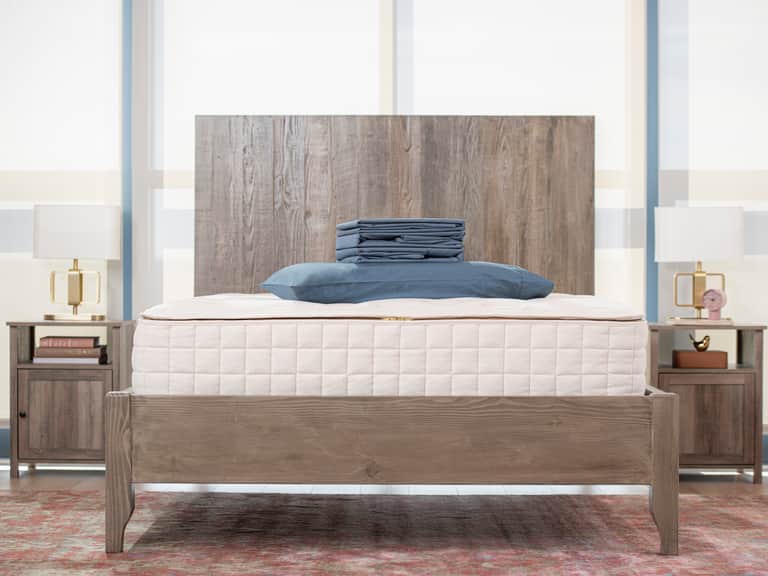
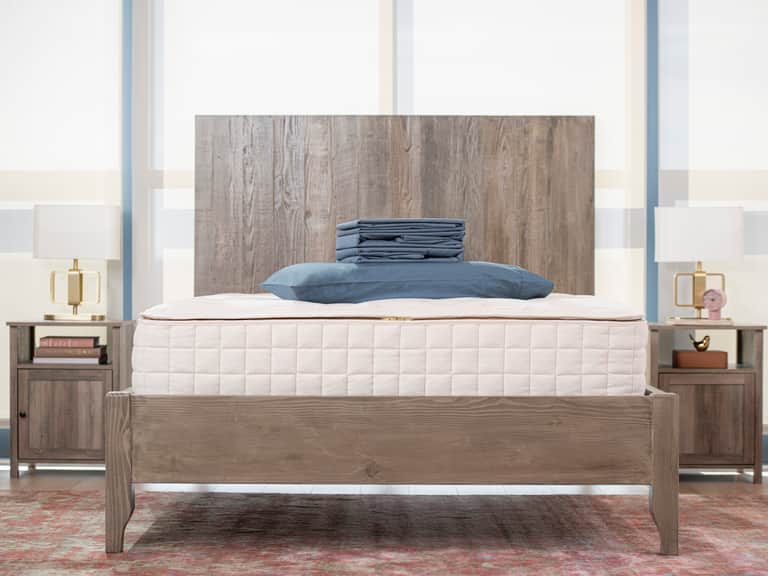
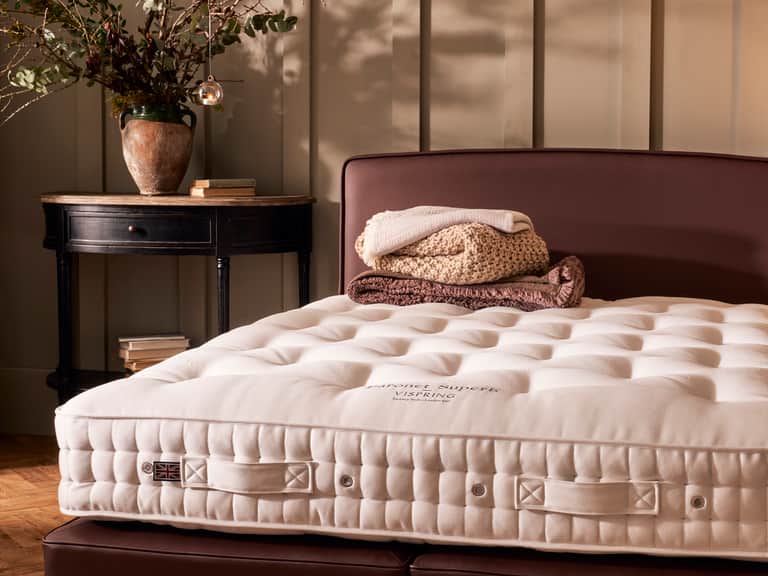
The first step in choosing fitted sheets is acknowledging mattress depth and pocket depth. A fitted sheet is only as secure as its ability to stretch over the deepest part of the bed and hold the surface taut. If your mattress is an ordinary 10 inches tall, many standard fitted sheets with an 12–15 inch pocket will suffice. If you own a pillow-top or a plush mattress that sits higher than average, you’ll want to seek pockets described as "deep," often 18 inches or more. The goal is simple: a snug fit around the corners, with elastic running fully around the edge so the sheet remains in place as you move during the night.
Next, fabric choice influences breathability, feel, and durability. Organic cotton sheets offer a natural, breathable option with a clean, crisp hand. Sateen fabrics—the glossy, smooth cousin of cotton—offer a softer, more lustrous surface that drapes nicely. Linen sheets bring a higher breathability and a textured, relaxed finish that becomes softer with each wash. Silk sheets attract those seeking a cool, luxurious feel, though they demand careful care. Each material has its own shrinkage profile and maintenance needs, which you’ll want to align with your washing habits and climate.
Timeline of textile thought: 3 pivotal voices
-
Eliza Bennett, 18th–19th centuries
A fictional chronicle representative of early textile innovators, Eliza’s era centered on the marriage of function and comfort in household textiles. Her notebooks emphasize the importance of durable weaving, elasticized edges, and practical care—ideas that foreshadow modern fitted-sheet design. Her voice reminds us that even simple bed linens encode daily rituals and standards of cleanliness that define comfortable living.
-
Dr. Marcus Hale, early 20th century
A pioneering textile scientist who linked fiber selection to thermal regulation and moisture management. Hale’s work underlined that fabric choice affects sleep warmth and breathability, a principle that guides today’s preferences for organic cotton and linen in bedding. His approach helps explain why some fibers feel cooler or warmer at night, shaping consumer expectations for sheet performance.
-
Isabella Chen, late 20th to early 21st century
A design innovator whose writings on sustainable fabrics and ethical production resonate with today’s emphasis on organic materials and responsible manufacturing. Chen’s perspective aligns with the rise of GOTS-certified cotton and eco-friendly packaging, echoing the values behind modern bedding brands that prioritize both comfort and conscience.
Fabric families in depth: what to expect
Organic cotton sheets are a staple for sleep spaces that crave breathable comfort and a clean, natural touch. They typically feature tight, long-staple fibers that yield a relaxed yet resilient weave. A 300–600 thread count indicates a balance between durability and softness, with higher counts offering a smoother surface but not necessarily better breathability. The Naturepedic Organic Cotton Percale Duvet Covers example demonstrates how a crisp percale weave—woven in a classic one-over-one-under technique—delivers a cool, fresh feel that remains comfortable year-round. For sheets, percale offers a lighter, crisper touch, well-suited to warmer climates or hot sleepers.
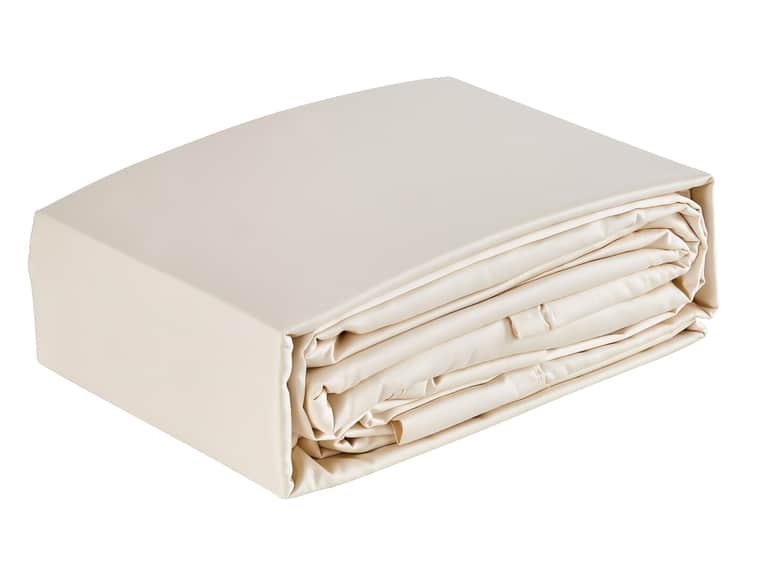
Sateen, by contrast, presents a silkier surface with a subtle sheen. Cotton sateen tends to feel warmer and more enveloping, which can be ideal in cooler rooms or for individuals who prefer a softer, smoother surface. The Sleep and Beyond MySheet Set, crafted from 300-thread-count cotton sateen, illustrates how a balance of softness and durability can produce a luxurious yet practical everyday sheet.
Linen sheets bring a unique set of properties: exceptional breathability and a natural temperature regulation that excels in warm environments. Linen’s more relaxed texture and its ability to become softer with use make it a favorite for those seeking a tactile, airy sleeping experience. For sleepers who prize dry warmth and a slightly textured feel, linen can be a transformative choice that ages gracefully with regular washing.
Silk sheets, while less common in mainstream homes, offer temperature regulation and an ultra-smooth surface. They are prized for their luxurious hand and ability to move moisture away from the skin. However, silk requires careful care to maintain its integrity, making it a fit for households committed to meticulous laundering.
Sizes and fit: what you need to know
Beyond bed size (twin, full, queen, king, cal king), fitted-sheet pockets come in several depths: standard around 12 inches, deep pockets at 18 inches or more, and oversized pockets to accommodate newer, taller mattresses. If your mattress depth changes with toppers or featherbeds, you may benefit from adjustable pocket depth or oversized elastic to ensure a secure fit over time. Always measure the mattress depth at the corners, then choose a fitted sheet with pockets that extend beyond that measurement. If you’re unsure, many vendors describe pocket depth in product specifications, which simplifies the decision-making process.
Notably, the presence of a quality elastic edge all around the sheet is almost as important as the pocket depth. Double-stitched corners and reinforced elastic prevent the sheet from pulling away during the night, reducing the time spent tucking and re-tucking. This is where durability and thoughtful construction enter the conversation, an attribute that elevates a good sheet to a lasting staple in your bedding arsenal.
Care routines: washing, drying, and shrinkage
Care routines determine how long your fitted sheets stay snug and maintain their texture. Pre-washing sheets before first use is a widely recommended practice because it helps pre-shrink the fabric and sets the weave. When washing, opt for cold to warm water and avoid high-heat drying, which can accelerate shrinkage and wear. A gentle cycle helps preserve fiber integrity, especially for cottons labeled as organic or those with delicate finishes. If your dryer supports low heat, a brief tumble at low temperature helps minimize shrinkage while maintaining softness. Remove promptly to reduce wrinkling and follow the care label’s guidance for best results.
In the bedding industry, the interplay between care instructions and fabric type is central. Percale benefits from cooler handling and careful drying to retain its crispness, while sateen may tolerate slightly warmer cycles, maintaining its smooth surface. Linen’s natural tendency to wrinkle can be softened with a slightly cooler dry and a gentle tumble or air-dry routine that preserves its texture without excessive creasing. By aligning care with fabric type, you extend the life of your sheets and preserve a desirable fit over months and years of use.
Featured product: Naturepedic Organic Cotton Percale Duvet Covers
Naturepedic Organic Cotton Percale Duvet Covers
Indulge in the luxurious feel of GOTS-certified organic cotton percale with a crisp 300 thread count. This duvet cover set offers a cool, hotel-like experience at home, with corner ties to keep your insert securely in place. The percale weave ensures airflow for breathable nights, while the fabric softens with every wash.
Price: 139.00
Colors: Arctic Snow, Cream, Mineral Blue, Midnight Blue
Care: Machine wash warm, tumble dry low.
Note: Matching sheets are available; this product is showcased here to illustrate a practical, stylish option for a bedding refresh.
Practical tips for a better night’s sleep
- Pre-wash new sheets to reduce initial shrinkage and to begin the break-in process, which can improve the feel over time.
- Match your sheet material to your climate and sleep temperature preferences for year-round comfort.
- Inspect pocket depth and ensure the sheet has a full-elastic perimeter to maximize staying power during sleep.