Introduction: The People Behind the thread
In the world of organic bedding, the people behind the product matter as much as the fabric itself. Think of a trio of influential figures across eras who have shaped how we sleep, feel and care for our linens. First, an early textile pioneer who helped popularize cotton's rise in household textiles; second, a 20th-century reformer who pushed for consumer safety standards; and third, a contemporary sustainability advocate who links soil health to fabric quality. These voices echo through today’s brands, where traceable supply chains, non-toxic finishes, and transparent certifications are not just marketing promises but nightly assurances.
Key Players: Coyuchi, Sleep and Beyond, and Friends
Coyuchi emerges as a marquee name in organic bedding, known for a commitment to GOTS-certified cotton and linen products built to endure. Sleep and Beyond represents the other end of the spectrum—a brand that emphasizes a refined editorial approach to organic textures, balancing softness with durability. Between these, a host of brands—ranging from linen specialists to percale virtuosos—offer fabrics that breathe, feel cool in summer and warm in winter, and stand up to repeated washings without losing integrity.
In this comparative guide, we focus on fabric sourcing, certifications, and feel-based performance. We also highlight practical considerations for shoppers, such as pocket depth, weave type, and care regimes that maximize the longevity of organic sheets.
Fabric Performance Deep-Dive: Cotton Sateen, Percale, and Linen
Fabric choice shapes every night’s comfort. Cotton sateen offers a silky hand and a gentle drape, with a weight that feels luxe yet breathable. Percale sheets, by contrast, are crisp and cool, delivering a matte finish that’s ideal for warm sleepers or humid climates. Linen sheets bring true temperature regulation, a textured surface, and a natural drift that softens with each wash. Understanding how Coyuchi’s organic cottons and linens compare to Sleep and Beyond’s offerings helps you pick a foundation that aligns with climate, skin sensitivity, and laundry habits.
Shopping Considerations: Weave, Pocket Depth, and Finishes
- Weave: Percale (crisp, cool), Sateen (soft, smooth), Linen (breathable, textured).
- Fabric certification: GOTS and other eco-labels signal organic fiber sourcing and responsible processing.
- Pocket depth and fitted construction: 14" pockets are common for standard mattresses, while 17" or deeper pockets accommodate toppers or thicker mattresses.
- Finishes: Plant-based softeners, dye methods, and finishing processes impact feel and wash durability.
- Care: Light detergents, cold or warm washes, and avoiding fabric softeners on some fiber blends extend linen and cotton life.
Care Basics: Keeping Your Organic Bedding in Prime Form
Organic sheets deserve gentle handling. For cotton and linen variants, warm or cool washes with mild detergents help maintain fiber integrity. Drying on a low heat or line-drying when possible reduces wear and helps the fabric retain its color and texture. Bonus: a regular schedule of washing and rotating sheets can uplift nightly comfort and extend the life of your bedding investment.
Practical Tips for Climate and Sleep Style
Climate and sleep style dictate fabric performance. In hot, humid summers, crisp percale sheets can feel refreshing, while in drier climates, linen’s moisture management helps balance comfort. For cold seasons, thicker cotton sateen or brushed finishes can add a layer of warmth without compromising breathability. Certification-backed brands such as Coyuchi and Sleep and Beyond provide transparency to help you align fiber type with environmental standards and personal comfort preferences.
A Timed-Sourced Look at Three Pioneers
To give texture to this conversation, we highlight three notable figures who illuminate bedding’s journey across times. They are not just historical footnotes; their influence resonates today in how brands source fibers, certify products, and communicate value to mindful shoppers.
- Norman Allison: A 19th-century textile chemist who advanced dye stability and fiber testing, laying groundwork for reliable colorfastness in bedding.
- Margaret S. (mid-20th century): An advocate for consumer safety who contributed to standards that guided textile care labeling, reducing the risk of harmful finishes.
- Modern sustainability leaders (21st century): Thought leaders championing soil health, regenerative farming, and transparent supply chains that underpin organic bedding supply.
Product Spotlight: Rem Flat Sheet
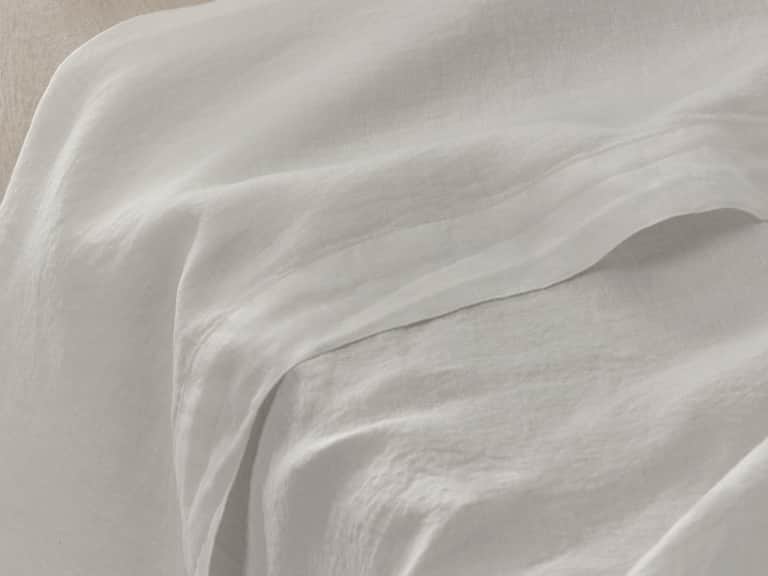
The Rem Flat Sheet, a 100 percent linen piece, embodies the brand’s froissé texture and garment-dyed palette—an ideal example of how a fabric’s weight, finish, and aesthetic come together for a relaxed, easy-care solution. It’s designed to wash well, requires no ironing, and offers year-round moisture regulation through linen’s natural properties. The sheet’s wide border and generous 15-inch deep pocket (where applicable) ensure a secure, graceful drape across a range of bed sizes.
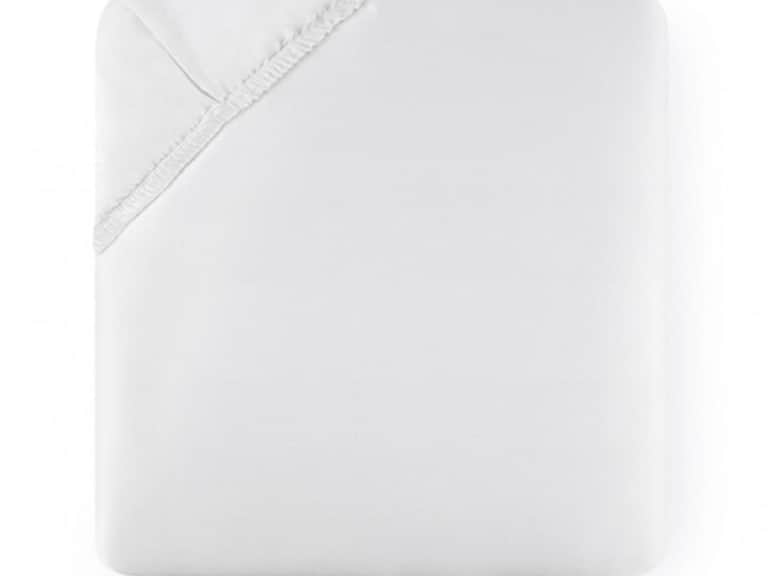
Product details and imagery: below are selected visuals to help envision the Rem Flat Sheet in a modern sleep setup.


Brand-Profile: Coyuchi and Sleep and Beyond in Focus
Coyuchi’s approach centers on organic fibers, with a strong emphasis on GOTS certification, transparent supply chains, and linen options that suit climate-conscious shoppers. Sleep and Beyond, while similarly aligned with organic principles, brings a curated aesthetic that blends luxury textures with approachable textures, emphasizing a calm, modern bedroom ethos.
Both brands demonstrate how modern bedding brands cultivate consumer trust through certifications, product storytelling, and practical care guidance—factors that matter when purchasing linens that will see repeated use and frequent washing. These brands illustrate how the domain fittedsheet.org can position itself as an objective resource that helps readers navigate material science, environmental impact, and nightly comfort without being tethered to a single product or retailer.
Conclusion: A Clear Path for Your Organic Bedding Decisions
Choosing organic bedding is more than selecting a fabric; it’s about aligning values, comfort, and daily routines. By understanding fabric performance, certifications like GOTS, and practical care routines, readers can invest in sheets that improve sleep quality and minimize environmental impact. Coyuchi and Sleep and Beyond serve as benchmarks for quality and transparency, while a broader field of linen and cotton specialists provides options for every climate and preference. The overarching goal? A bed that feels like a sanctuary, built on a foundation of trustworthy materials and responsible practices.