Nursery Bedding Guide
Building a Comfortable Nursery: Crib Bedding Fit, Fabric, and Care
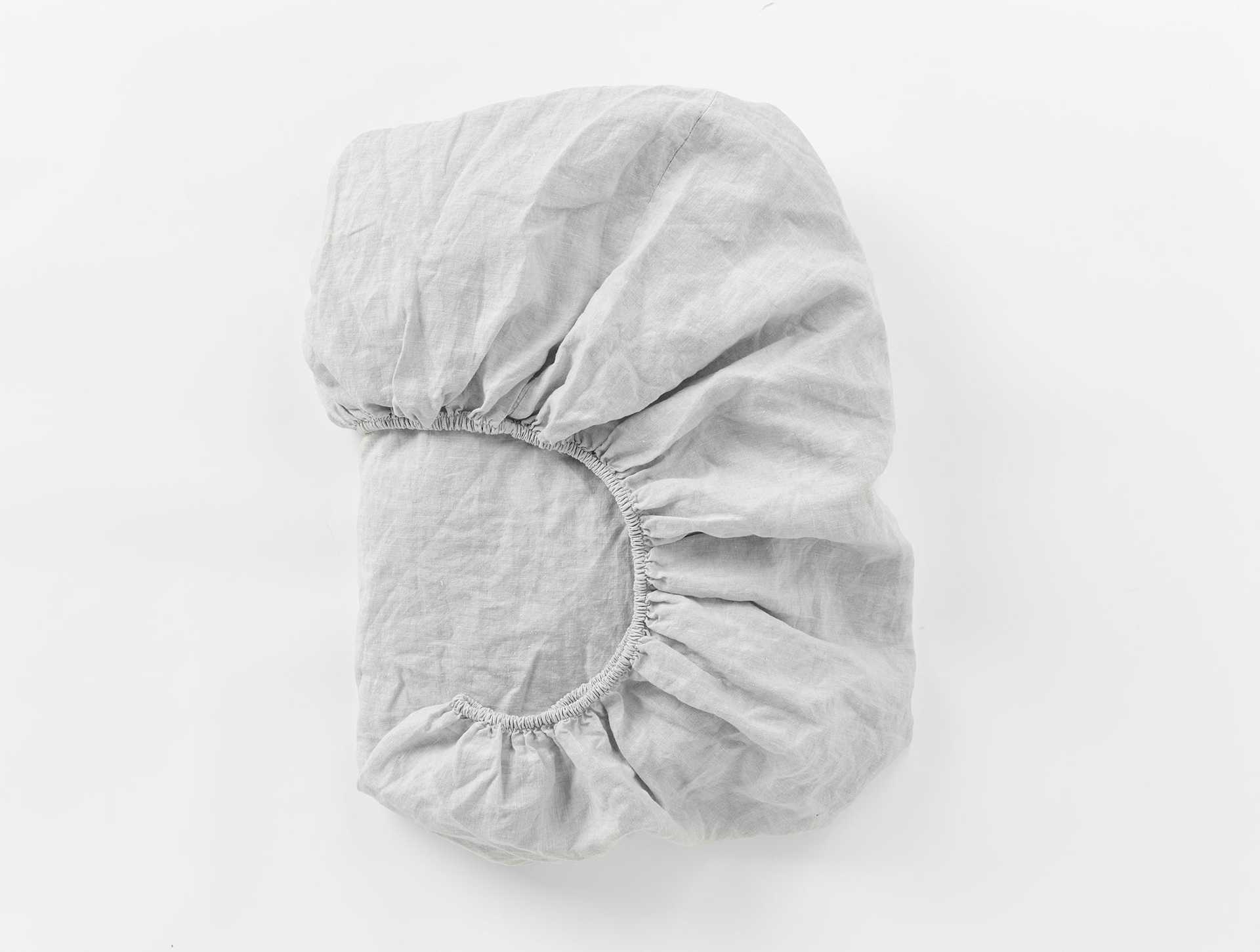
A nursery bed begins with a simple essential: a correctly sized fitted sheet that stays snug on the crib mattress. The right fabric and a manageable care routine can make everyday changes easier, too. Here’s how to check the fit, compare materials, and care for crib bedding—while keeping safe sleep guidance at the center of every choice.
Start with safety, not decoration
It is easy to picture a nursery bed dressed in soft layers, coordinated colors, and a fluffy blanket folded at the foot. But an infant’s sleep space should be much simpler. Current safe-sleep guidance from the American Academy of Pediatrics recommends placing babies on their backs on a firm, flat, non-inclined sleep surface covered by a fitted sheet, with no loose bedding or soft objects in the sleep area.
That means a crib sheet is not just a finishing touch. It must fit the mattress as intended and stay secure. Blankets, quilts, pillows, stuffed toys, bumpers, and other loose items should not be added to an infant’s crib. For detailed, up-to-date recommendations, consult your pediatrician and trusted public-health guidance, and follow the crib, mattress, and sheet manufacturers’ instructions.
With safety setting the boundaries, choosing nursery bedding becomes refreshingly straightforward: verify compatibility, select a fabric suited to your preferences and routine, and keep a clean fitted sheet ready for changes.
Check the crib mattress before buying
Crib mattresses can look similar at a glance, but dimensions and construction matter. Before choosing a fitted sheet, check the mattress label or manufacturer’s documentation for its exact size. Do not rely only on a general label such as “crib” or “standard”—confirm that the sheet is made for that mattress type and size.
Specialty sleep surfaces, including mini cribs and oval or other nonstandard cribs, may need sheets made specifically for their shape. A sheet intended for a conventional rectangular crib should not be assumed to fit. If you have a mattress protector or another compatible layer, check whether its use is permitted by the mattress and crib manufacturers and account for any added thickness when confirming the sheet’s fit.
Keep the crib’s instructions close at hand. The crib, mattress, and fitted sheet each come with their own product-specific guidance, and those directions should take priority over generalized advice. If you are uncertain whether a particular sheet and mattress are compatible, ask the manufacturer before using them together.
How to assess fitted-sheet fit
A well-fitting crib sheet should be designed for the mattress’s dimensions and sit smoothly across its surface, with its corners fully fitted as the manufacturer intends. The elastic perimeter on a fitted design helps hold fabric around the mattress, but elastic alone cannot make an incorrectly sized sheet safe or compatible.
After laundering a new sheet according to its care label, fit it to the mattress and inspect all four corners. The fabric should not be loose, bunched, or stretched in a way that suggests the sheet is the wrong size. Check the edges and corners again whenever you change the bedding. If a sheet slips off, gathers noticeably, or no longer fits as designed, stop using it and confirm the mattress dimensions and product instructions before trying another sheet.
- Match the sheet to the mattress dimensions and shape, not simply the crib’s name.
- Read the listed mattress compatibility and any maximum mattress depth or fit directions.
- Follow instructions for using a mattress protector or other approved layer.
- Inspect the elastic, seams, and fabric for damage, stretching, or loose threads.
- Do not use clips, pins, or improvised fasteners to make a sheet fit.
Fit is worth rechecking as the mattress or bedding changes. Even a sheet that worked well before may sit differently after repeated washing, wear, or the addition of an approved mattress layer. A quick inspection is an easy habit to build into every sheet change.
Fabric choices: comfort, feel, and everyday practicality
Fabric influences how a sheet feels in the hand and how it behaves in the laundry. For a baby’s sleep space, choose a product specifically designed for the intended crib mattress and follow its care instructions. A fabric’s softness or natural origin does not replace the need for a secure fit and an uncluttered sleep area.
Cotton and organic cotton
Cotton is a familiar choice for everyday bedding. It comes in different weaves and finishes, so two cotton sheets may feel quite different. A plain, crisp weave can feel light and smooth, while other constructions may feel softer or more draped. Cotton sheets are often machine washable, but the care label—not a general rule—is the best guide to washing temperature, drying, and any special treatment.
Some families look for organic cotton and third-party certifications. Certification names and standards can describe aspects of fiber sourcing or processing, but they do not tell you whether a sheet fits a particular mattress. Check what a certification covers, then assess size, construction, care, and compatibility separately.
Sateen and percale
Sateen and percale describe weave structures rather than separate fibers. Cotton sateen typically has a smoother, more fluid hand; percale is often described as crisp and breathable. Preferences are personal, and the way a sheet feels can change with laundering and use. For nursery bedding, prioritize a crib-specific design and clear care directions over thread-count claims or marketing language about softness.
Naturepedic’s organic sateen crib sheet is one example of a crib-specific fitted design. Its product description lists an elastic perimeter and machine-washable construction. Confirm the listed dimensions against your mattress, and follow the product and crib instructions before use.
Linen and other materials
Linen, made from flax, is known for a textured feel and is often selected by adults for its distinctive drape and breathability. Silk and other specialty fabrics may have different care requirements. These materials are not automatically suitable for every crib mattress: check that a product is explicitly intended for the crib and mattress in question, rather than adapting an adult fitted sheet or substituting a product that happens to have elastic corners.
When comparing options, consider the full routine. A fabric that feels appealing but requires care you cannot reliably follow may not be the most practical choice for frequent changes. Straightforward laundering, durable seams, and a dependable fit are useful everyday qualities.
A low-stress routine for crib bedding care
Babies can make sheet changes part of ordinary life, so it helps to prepare a small rotation of clean, properly fitting crib sheets. Keep spare bedding stored clean and dry, and change the sheet whenever it is soiled or as recommended by your household’s care routine. Always make sure the replacement is the correct size and fully fitted before returning the mattress to the crib.
For washing, follow the label on the sheet. Instructions may vary by fiber, weave, dye, finish, and manufacturer. Some products recommend a particular water temperature or a gentle cycle; others may allow a broader range. Using a detergent and cycle appropriate to the item, and avoiding unlisted treatments, can help preserve the fabric and elastic.
- Wash new bedding before first use if the product instructions recommend it.
- Use the washing temperature and cycle stated on the care label.
- Follow directions about detergent, bleach, fabric softener, and drying.
- Remove the sheet promptly from the dryer if the label recommends doing so.
- Check that the fabric and elastic are in good condition before putting it back on the mattress.
High heat, harsh products, or repeated over-drying may affect some fabrics and elastic. Rather than assuming every cotton sheet can be treated the same way, keep the care label accessible or save the manufacturer’s online instructions. If a sheet shrinks, becomes distorted, or no longer fits securely, do not stretch or modify it to force a fit.
Planning a nursery that works on busy days
A comfortable nursery is not necessarily the one with the most layers or accessories. It is the one arranged to make safe, routine care manageable. Keep clean fitted sheets where you can reach them, set aside a laundry spot for used bedding, and check that the crib remains free of items that are not part of the approved sleep setup.
Before a baby arrives—or after changing a mattress—do a simple setup review. Confirm the crib is assembled according to its instructions, the mattress is the correct type and size, and the fitted sheet is made for that mattress. Wash and inspect the sheet, then check its fit on the mattress. Repeat the check after laundering and whenever the bedding arrangement changes.
Nursery colors and patterns can still bring personality to the room. Choose a sheet design you enjoy, but let compatibility and care guide the final decision. A calm palette, coordinated storage, and a well-organized laundry rotation can make the room feel welcoming without adding loose objects to the crib.
Common crib-sheet mistakes to avoid
Many fit problems begin with assumptions: that all crib mattresses are the same, that a sheet will stretch enough to compensate, or that an extra layer cannot affect the fit. Taking a moment to verify product information helps avoid these avoidable frustrations.
- Buying by label alone: “Crib size” may not confirm a specialty mattress’s shape or dimensions. Check both.
- Ignoring added thickness: A permitted mattress layer may affect how a fitted sheet sits. Follow the mattress and product makers’ directions.
- Using an adult sheet as a substitute: A larger sheet can leave excess fabric and is not a replacement for a crib-specific design.
- Assuming organic means compatible: Fiber sourcing and fit are separate questions. Check the dimensions and intended use.
- Adding loose bedding for warmth or decoration: Keep the infant sleep space free of loose blankets and other soft items, consistent with current safe-sleep guidance.
- Overlooking wear: Stretched elastic, torn seams, or persistent bunching are reasons to reassess the sheet’s condition and fit.
Quick checklist before bedtime
A dependable routine does not need to be complicated. Use this short checklist whenever you prepare the crib:
- The mattress and sheet are confirmed as compatible by their product information.
- The sheet is clean, dry, undamaged, and fitted according to its instructions.
- The mattress surface is smooth, with no excess or bunched fabric.
- The sleep space contains no loose bedding, pillows, toys, or other soft objects.
- The crib is set up and used according to its manufacturer’s instructions and current safe-sleep guidance.
If something does not look or feel right, pause and check with the relevant manufacturer or your child’s healthcare professional rather than improvising a fix.
The bottom line
Good nursery bedding begins with a sheet that is specifically suited to the crib mattress and remains securely fitted as intended. Fabric choice can come down to feel, laundering preferences, and available product information; organic cotton sateen is one option, while other materials may suit different household preferences. Whatever you choose, follow the care label and inspect the sheet regularly for wear or changes in fit.
Most importantly, keep the infant sleep space simple and follow current safe-sleep guidance. A correctly fitted sheet, a compatible mattress, and a practical supply of clean replacements are the essentials. With those basics in place, nursery bedding can support an easier care routine without compromising the uncluttered environment babies need for sleep.