Mattress protectors and pads add a functional layer between a mattress and fitted sheets. They can help limit everyday wear, reduce direct contact with dust and spills, and make routine bedding changes easier. Their construction, fit, and materials influence comfort, breathability, and how well they suit different sleeping environments.
A mattress protector is generally designed to cover the sleeping surface, while a mattress pad may add cushioning as well as a protective layer. Features such as elasticized edges, a fitted profile, and washable materials affect stability and maintenance. Checking mattress depth and care instructions helps ensure a suitable fit and practical use.
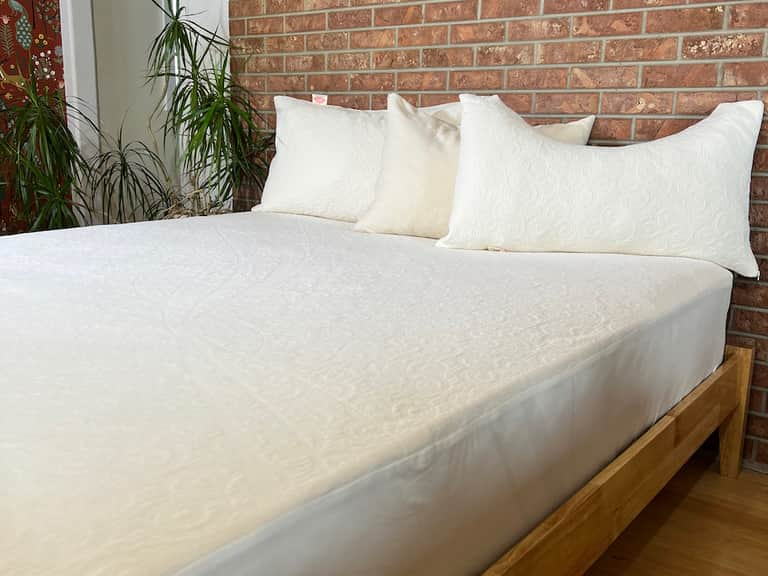
The Suite Sleep Organic Cotton Knit Mattress Protector is an example of a protector made with organic cotton knit. Its fabric construction provides a soft textile layer beneath sheets, while its fitted design is intended to stay positioned over the mattress. Such details may be relevant to people assessing bedding materials and everyday comfort.
Material choice matters when coordinating protectors with sheets, pillows, and other bedding. Cotton knit is flexible and familiar in feel, while latex mattresses may have specific care guidance that should be reviewed before adding a cover. For nursery use, washable construction and a secure fit are useful considerations when selecting a mattress layer.
Regular laundering, correct sizing, and following the manufacturer’s care guidance can help maintain a protector’s condition. A clean protective layer can support a more manageable bedding routine without replacing the mattress itself. Comparing fabric, fit, intended function, and compatibility with existing sheets helps clarify which mattress protector or pad suits a particular setting.
 Bedding